
Notice: Function WP_Object_Cache::add was called incorrectly. Cache key must not be an empty string. Please see Debugging in WordPress for more information. (This message was added in version 6.1.0.) in /home/awaisdental/public_html/wp-includes/functions.php on line 6131
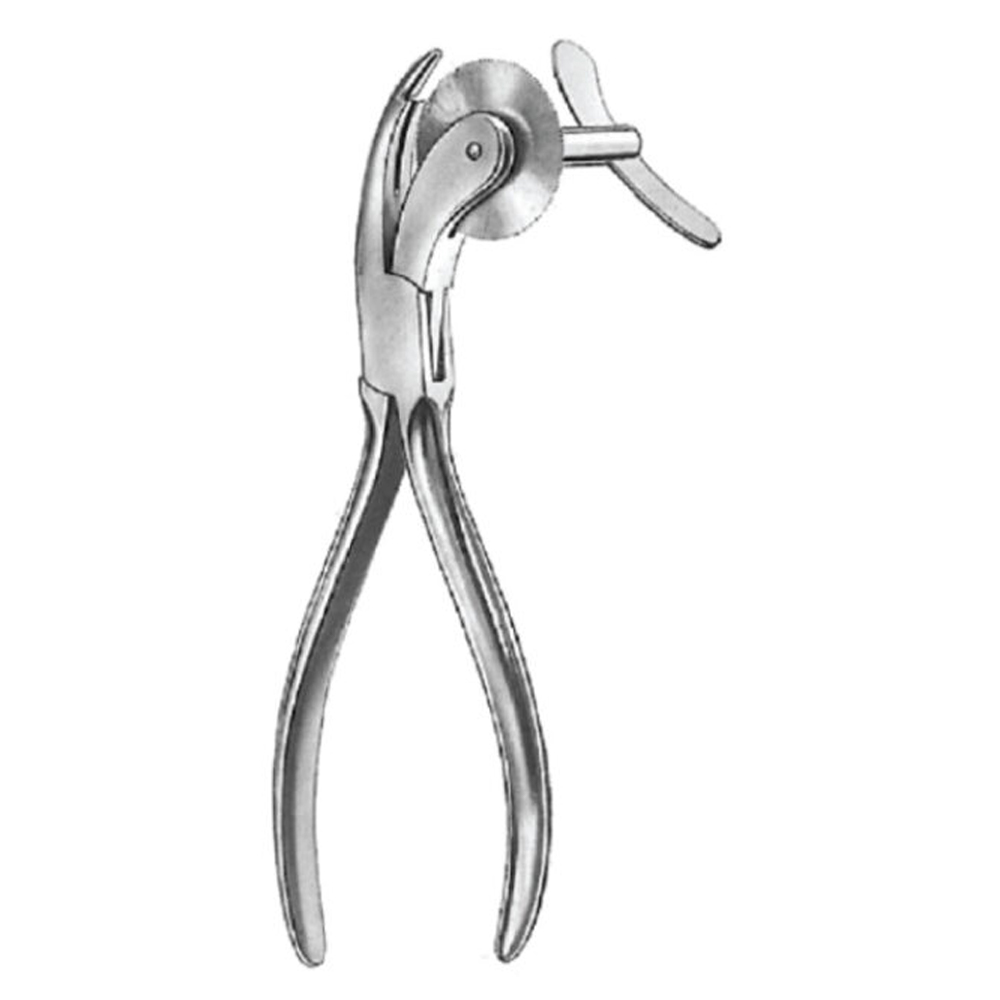
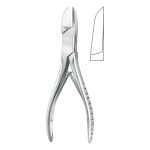
Bone surgery
Description
Bone surgery
Bone surgery, also known as orthopedic surgery, encompasses a range of procedures aimed at diagnosing, treating, and rehabilitating conditions related to the bones and joints. Here’s an overview of key aspects related to bone surgery:
Types of Bone Surgery
- Fracture Repair
- Internal Fixation: Involves the use of plates, screws, or rods to stabilize broken bones internally.
- External Fixation: Uses an external frame to stabilize bone fragments from outside the body.
- Joint Replacement
- Total Joint Replacement: Replacement of a damaged joint (e.g., hip or knee) with a prosthetic implant.
- Partial Joint Replacement: Replacing only the damaged part of the joint.
- Arthroscopy
- A minimally invasive procedure using a small camera (arthroscope) and instruments to diagnose and treat joint issues.
- Osteotomy
- Surgical cutting and repositioning of bone to correct deformities or alignment issues.
- Bone Grafting
- Involves transplanting bone tissue to repair or rebuild bones, often used in conjunction with other surgeries.
- Spinal Surgery
- Procedures such as discectomy, laminectomy, or spinal fusion to treat conditions affecting the spine.
Indications for Bone Surgery
- Fractures that cannot heal properly without surgical intervention.
- Severe arthritis causing debilitating joint pain.
- Deformities or malalignment of bones.
- Tumors affecting bone integrity.
- Injuries resulting from sports, falls, or accidents.
Surgical Techniques
- Open Surgery: Involves a large incision to access the bone directly.
- Minimally Invasive Surgery: Utilizes smaller incisions and specialized instruments, leading to less tissue damage and faster recovery.
Recovery and Rehabilitation
- Physical Therapy: Essential for regaining strength and mobility post-surgery.
- Follow-Up Care: Regular check-ups to monitor healing and adjust rehabilitation plans as needed.
Risks and Complications
- Infection, blood clots, nerve damage, and complications related to anesthesia.
- Nonunion or malunion of bones, requiring further treatment.
Conclusion
Bone surgery plays a crucial role in restoring function and improving the quality of life for patients with bone and joint conditions. If you have specific questions about a particular type of bone surgery or related topics, feel free to ask!
Reviews (0)
Shipping & Delivery
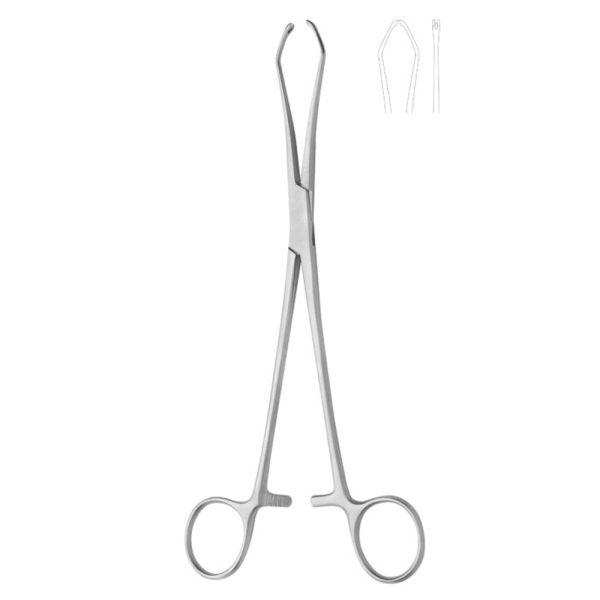
Reviews
There are no reviews yet.